Will Full Spectrum CBD Make Me Fail a Drug Test in Esports?
As the esports industry matures, so do the contracts and expectations around player conduct — including the use of supplements. CBD (cannabidiol) has become a popular supplement among gamers for its touted benefits on anxiety, sleep, and recovery. But if you’re under esports contract supplements scrutiny, you might wonder: will full spectrum CBD make me fail a drug test? This question isn’t just about simple legality; it involves understanding what full spectrum means, how THC content plays into drug testing, and what reputable organizations like the World Anti-Doping Agency (WADA) say about it.
Understanding CBD Basics and THC Distinctions
CBD is one of over 100 cannabinoids found in the cannabis plant. The two cannabinoids you’ve probably heard of are THC (tetrahydrocannabinol) and CBD:
- THC is the psychoactive component responsible for the “high” in marijuana.
- CBD is non-intoxicating and is often used for potential therapeutic effects such as anxiety reduction and sleep improvement.
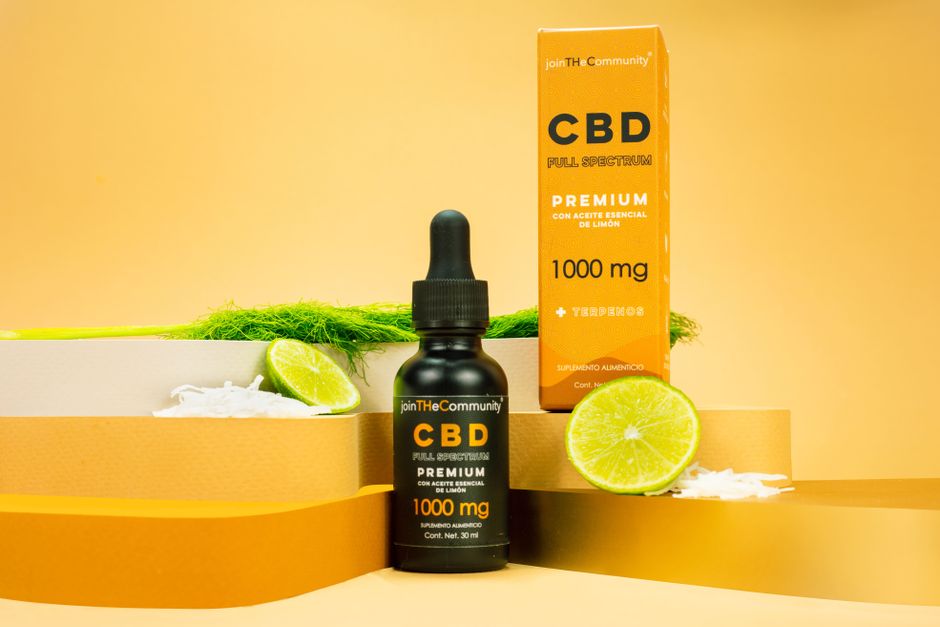
When we talk about “full spectrum” CBD, it means the product contains not just CBD but a range of other cannabinoids, terpenes, and trace amounts of THC naturally present in hemp. This is different from “broad spectrum,” which removes THC, and “CBD isolate,” which is pure CBD.
This distinction is crucial for esports players because THC, even in trace levels, is typically the target of drug tests. Full spectrum CBD products can legally contain up to 0.3% THC by dry weight (thanks to federal and state hemp regulations), but that seemingly tiny amount can matter in testing scenarios.
thc prohibited in competitionHemp Legality and the 0.3% THC Threshold
The 2018 Farm Bill federally legalized hemp (cannabis containing ≤ 0.3% THC by dry weight). This opened doors for products like full spectrum CBD derived from hemp. But here’s where a lot of confusion lies:
- The 0.3% THC limit means that on paper, full spectrum CBD products must contain less than this threshold.
- However, products vary in how closely they stick to this number, and batch-to-batch differences can cause variations.
- Trace THC amounts accumulate with frequent or high-dose usage, potentially triggering positive drug test results.
Joy Organics, a leader in the CBD market known for their rigor in third-party lab testing, openly publishes batch lab reports confirming THC levels in their products. Their transparency is a gold standard — especially when you’re concerned about trace THC risk in esports contract supplements.
Will Full Spectrum CBD Cause You to Fail a Drug Test in Esports?
The next logical question: does that trace THC mean drug tests will catch you?
The short answer: it depends on how much you take and how sensitive the test is.
What Drug Tests Look For
Most drug tests for esports players or competitive athletes target THC metabolites, specifically tetrahydrocannabinol-COOH, a breakdown product of THC stored in fat cells. CBD itself is not tested for because it’s legal and not intoxicating.
Tests vary in sensitivity:
- Urine tests are common and can detect THC metabolites days to weeks after use, depending on frequency and dose.
- Blood and saliva tests detect more recent use but are less common in esports.
Trace THC Risk with Full Spectrum CBD
Taking full spectrum CBD occasionally at low doses usually poses minimal risk for positive THC tests. But frequent or large doses increase the risk. For esports players under contract supplements clauses, this risk is non-trivial.
The World Anti-Doping Agency (WADA), which esports organizations sometimes consult for banned substance guidance, has removed CBD from the banned list but continues to prohibit all THC-containing products. Their threshold for THC metabolites remains quite strict; exceeding it leads to sanctions.

Evidence Strength: Anxiety, Sleep, and Performance
Gaming athletes often cite CBD to manage stress or improve sleep quality, hoping for performance boosts without side effects. Let’s break down what current evidence says:
Effect Evidence Quality Comments Anxiety Reduction Moderate Studies show some promise, especially in social anxiety, but dosing varies widely. Sleep Improvement Weak to Moderate Results mixed; some report better sleep onset, others no change. Study doses often far higher than gummies. Performance Enhancement Low No robust evidence that CBD boosts cognitive or reflex performance directly.Many esports players turn to popular brands like Joy Organics for trustworthiness and transparent ingredient profiles, but the reality is that the clinical dosing in studies frequently doesn’t match typical “gummy” servings or tincture drops many use recreationally.
Dosing Mismatch: Studies vs. Gummies
One of the biggest pitfalls is dosing mismatch. A typical CBD gummy serving contains 10-25mg of CBD, but clinical anxiety or sleep studies often use doses starting at 50mg and going up to 600mg per day.
Because of this gap, many anecdotal reports of CBD benefits may reflect placebo effects or subtle relaxation rather than significant clinical outcomes.
Why Does This Matter?
- Using higher doses to chase study-like effects can elevate THC intake from full spectrum formulations, increasing your risk of positive drug tests.
- Lower doses from gummies are safer for drug test risk but may not deliver expected benefits.
Advice for Esports Competitors Considering Full Spectrum CBD
- Check your organization’s policy. Some esports leagues have zero tolerance for THC, while others may allow CBD products if they contain 0.0% THC.
- Prefer broad spectrum or CBD isolate. These alternatives remove THC, reducing trace THC risk dramatically.
- Request and review third-party lab reports. Brands like Joy Organics make these available to verify THC content — always check batch reports rather than relying on labels.
- Consider frequency and dose carefully. Even full spectrum CBD below 0.3% THC can accumulate to positive tests if taken frequently, especially at higher dosages.
- Consult health professionals. Discuss supplement plans with a healthcare provider aware of drug testing and potential interactions.
FDA, WADA, and Regulatory Oversight
The FDA still maintains strict regulations on CBD claims and warns consumers about unsubstantiated performance enhancement claims. This is part of https://highstylife.com/cbd-vs-melatonin-for-shutting-down-after-gaming-which-helps-gamers-wind-down-better/ why many CBD supplements avoid making direct performance claims, even though they’re popular among players for stress and sleep.
Meanwhile, the World Anti-Doping Agency (WADA) recognizes the non-intoxicating nature of CBD by removing it from the banned substance list, but its restrictions on THC remain in force for all sports — including esports leagues that model anti-doping rules accordingly.
So, while CBD itself is unlikely to get you banned, the trace THC in full spectrum products is a regulatory risk that every esports competitor should weigh seriously.
Summary: Full Spectrum CBD and Drug Tests in Esports
- Full spectrum CBD contains trace THC (up to 0.3%) which can accumulate in your system with frequent use.
- Esports drug tests target THC metabolites, not CBD itself.
- Trace THC risk means full spectrum CBD can cause positive drug tests, potentially violating esports contracts.
- Broad spectrum or CBD isolate are safer alternatives if drug test compliance is a priority.
- Dosage matters: study dosages used to prove anxiety or sleep benefits typically exceed gummy servings.
- Always verify product lab reports (Joy Organics is a good example) before committing to any supplement.
In conclusion, if you’re navigating esports contract supplements and worried about full spectrum CBD drug test risk, your safest bet is to opt for THC-free products. The stakes are high, and even trace THC could lead to a failed test and potential sanctions in a competitive scene where every advantage counts — and every misstep costs dearly.