Most Common CCTV Mistakes in Medical Offices—and How to Fix Them
Medical offices rely on CCTV systems to enhance security, monitor operations, and sometimes help with patient safety. But CCTV in healthcare settings must be handled carefully. Patient privacy, staff workflow, and data security are top priorities. Unfortunately, many clinics make avoidable mistakes that lead to over-collection of sensitive footage, privacy risks, and unnecessary administrative burdens.
Having managed multi-provider practice front desks and now consulting on privacy-safe workflows, I’ve seen these common CCTV pitfalls firsthand. Below, I’ll explain the most frequent mistakes medical offices make with their CCTV systems—and how export cctv clip approval process tools like Gallio PRO (on-premises visual redaction software) and rigorous role-based CCTV user accounts can keep your camera system both effective and compliant.
What Incident Are We Trying to Solve?
Before installing or adjusting cameras, the key question any clinic should ask is— what specific incident or risk are we trying to solve? Too often, CCTV systems are installed “just in case” without a focused purpose, leading to over-collection of footage and privacy headaches.
Common objectives include:
- Deterring theft or vandalism
- Monitoring the reception area for safety
- Ensuring compliance with cleaning protocols
- Supporting staff training and incident investigation
Once you define your purpose, use data minimization principles—only collect the footage needed for this goal, not more.
Top CCTV Mistakes Medical Offices Make
1. Cameras Too Close to Patients or Treatment Areas
Cameras positioned too close to patient chairs, exam rooms, or waiting areas risk capturing sensitive personal health information (PHI), patient facial details, and private conversations. This can violate HIPAA and other privacy laws.
Example problem: Camera 2 mounted right above the infusion chair, filming patients for the entire treatment session.
How to fix:
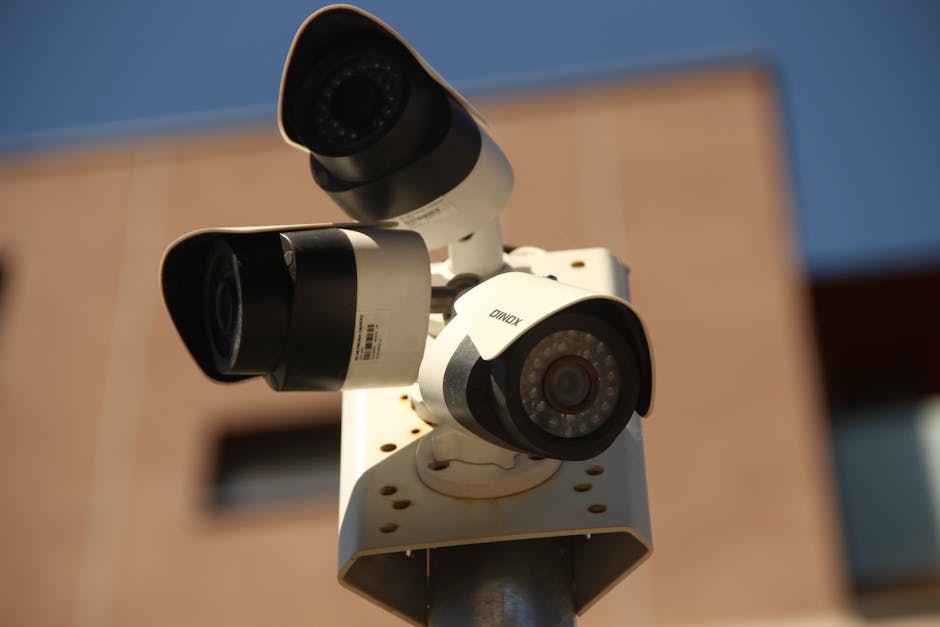
- Reassess placement and move cameras further back or angle them to avoid identifiable patient images.
- Use visual redaction tools like Gallio PRO to automatically blur patient faces or sensitive areas in footage if close angles are unavoidable.
2. Cameras Aimed at Reception Screens or Paperwork
Reception desks often have multiple named users for camera system monitors displaying PHI, appointment details, and insurance data. Yet, a frequent oversight is aiming cameras (e.g., "cash drawer angle") such that they capture these screens or printed forms.
This not only breaches patient confidentiality but also causes staff discomfort, feeling their workspace is overly monitored.
Action steps:
- Perform a field-of-view review of each camera weekly or monthly to confirm no monitors or paperwork are visible.
- Adjust angle or reposition cameras to focus on corridors, entry points, and general reception areas—not screens.
- Document each camera’s approved field of view as part of compliance records.
3. Sharing Raw Clips Without Anonymization
Sharing video clips for incident review or legal reasons is sometimes necessary, but sharing raw footage that exposes patient faces, staff badges, or private documents is a serious mistake.
Raw clips often circulate via unsecured channels, increasing risk of data breaches.
Best practice:
- Use on-premise redaction software like Gallio PRO to anonymize faces, names on badges, and other identifiers before sharing.
- Avoid cloud or third-party platforms for footage anonymization to maintain control and privacy.
4. Shared Passwords and No Role-Based Access
A surprisingly common yet risky practice is using generic shared passwords for CCTV system login among several staff members. This practice:
- Blurs accountability
- Makes audit trails impossible
- Increases risk of unauthorized viewing of sensitive footage
Solution:
- Implement role-based user accounts with unique usernames and passwords.
- Assign access levels (e.g., “viewer,” “administrator”) based on job roles, minimizing exposure.
- Regularly review and audit user access logs.
Data Minimization: Only Capture What You Really Need
The principle of data minimization means limiting the amount and type of data collected to only what’s necessary for the defined purpose.
- Don’t point cameras where PHI is visible. Instead, aim for entrances, hallways, and public zones.
- Limit recording timeframes. Don’t save footage “just in case” forever. Set retention policies aligned with risk management.
- Review footage regularly and purge what’s no longer needed.
Purpose-First Camera Justification
Whenever a new camera is proposed or an existing one adjusted, create a short documented justification that includes:

- What issue it helps solve (e.g., deter theft by monitoring Pharmacy Cabinet area).
- How this purpose won’t cause over-collection (e.g., camera aimed at hallway only, not into treatment rooms).
- Any privacy safeguards implemented (e.g., face-blurring software, limited retention).
Field-Of-View Reviews and Documentation
Clinic environments evolve—furniture moves, new monitors appear, staff workflows change. Regular reviews are crucial.
- At least quarterly, check each camera’s field of view for any new privacy risks (monitors, paperwork visibility).
- Document those reviews with timestamp and reviewer name as part of privacy compliance files.
- Train staff on what to watch for and how to report potential issues immediately.
Summary Table: Common CCTV Mistakes and Fixes in Medical Offices
Common Mistake Description Risk Best Practice Fix Camera Too Close to Patients Camera captures patients’ faces or PHI in treatment areas. Privacy violation, HIPAA risk. Reposition camera; use Gallio PRO to blur faces if needed. Cameras Aimed at Reception Screens Footage shows monitors or paperwork with sensitive info. Exposure of patient/staff data. Adjust camera angles; conduct regular field-of-view reviews. Sharing Raw Clips Unredacted footage shared over unsecured channels. Data breaches; legal liabilities. Use on-site redaction tools before sharing clips. Shared CCTV Access Passwords Multiple users share login credentials. No accountability; unauthorized access risk. Create role-based user accounts with individual passwords.Final Tips for Privacy-Safe CCTV in Clinics
- Regular training: Make sure front desk and operations staff know why certain camera rules exist.
- Incident notes: For any CCTV-related incident, keep short clear notes about what happened, which cameras were involved, and what was done.
- Consult experts: When in doubt, bring in privacy or security consultants familiar with healthcare standards and tech tools like Gallio PRO.
By focusing on purpose-first camera placement, minimizing data collection, enforcing unique role-based accounts, and using anonymization software for sharing footage, medical offices can protect patient and staff privacy without sacrificing safety or operational oversight.
Remember—before adding or tweaking cameras, always start with “what incident are we trying to solve?” and build from there.