Is Pickleball Really Low Impact or Is That a Myth?
“Dinking low impact,” they say, and for many, pickleball is the perfect blend of fun, social connection, and exercise without the joint-jarring wear and tear of running or tennis. But if you’ve been around the courts for a few seasons — or if you’re a morning player like me who counts warm-up minutes out loud — you know it’s not quite that simple.
Is pickleball truly low impact, or is it a convenient myth? Let’s unpack the realities behind the sport’s physical demands, the common injury patterns I’ve heard firsthand from rec league players, and expert insights on how overuse and aging affect our bodies on the pickleball court.

Photo credit: Brendan Sapp / Unsplash
Understanding the Pickleball Movements: Low Impact or Not?
Want to know something interesting? dinking low impact? absolutely, if you’re just exchanging gentle paddle hits at the kitchen line. The slow, precise placements and strategic shots are easy on the joints and tendons — especially if properly warmed up during those crucial first eight minutes I always insist on. But pickleball also demands sudden, explosive lateral push offs when chasing a wide ball or cutting hard to the net.
These lateral push offs, while shorter and less frequent than in sports like basketball or tennis, put quick strain on muscles, tendons, and joints — especially if your warm-up was skipped or rushed. And then there’s the the overhead smash: a frequently underappreciated source of strain that tests your shoulders’ rotator cuffs, sometimes aggravating underlying irritation.
What Changed in the Last Two Weeks?
Asking that question reveals a key injury driver: frequency and overuse beats dramatic moments every time. That quick recovery squeeze I see from players often turns into a problem when played four, five, or six times a week without proper rest. Aging tendons don’t snap back as fast — they adapt slower and tolerate sudden loads less well. If you suddenly increase your playtime or intensity, brace for symptoms that often start subtly and then progress.
The Tendon Truth: Aging, Irritation, and Shoulder Pain
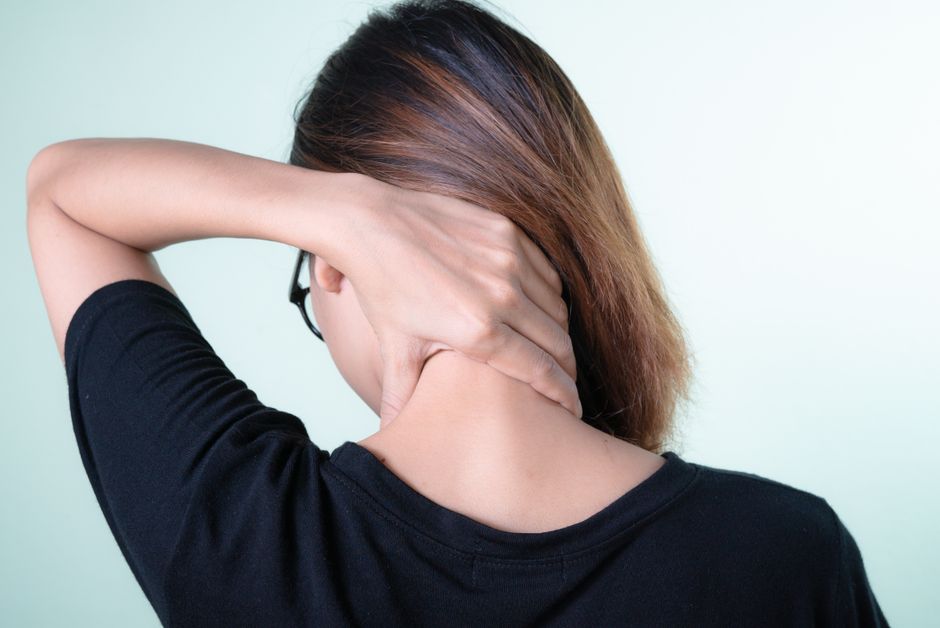
Rotator cuff irritation ranks high on the injury list in pickleball — and often sneaks in as night pain or limitations in behind-the-back reach. Players tell me stories like these on the bench, just after a morning session:
"I thought it was just a twinge from last week's session, but now it wakes me up at night. Reaching for the towel behind my back is starting to hurt," said Dan, a 62-year-old weekend warrior.Why does this happen? The rotator cuff tendons, which stabilize shoulder movement for those explosive smashes and quick reaches, become less elastic with age. Micro-tears from repetitive sarasotamagazine.com overhead use or sudden loads cause inflammation — classic symptoms are pain at night and increased difficulty reaching behind the back or overhead.
If you experience these, consider consulting an orthopedist or physical therapist — delaying care only prolongs recovery. One client recently told me thought they could save money but ended up paying more.. Meanwhile, gentle stretching, strengthening, and tried-and-true supplements like Joy Organics organic CBD gummies may offer relief for inflammation and soreness after tough matches, as some players swear by.
Elbow Pain and Grip: More Than Tennis Elbow
Many pickleballers confuse elbow pain as a mild “tennis elbow,” but it’s often more nuanced. The culprit? A tight grip coupled with arm-dominant mechanics instead of using body rotation.
- Tight Grip: Gripping the paddle too hard strains tendons around the elbow over time.
- Arm-Dominant Mechanics: Instead of rotating the torso and shoulders, players using mostly forearm and wrist drive increase elbow load, accelerating irritation.
Adopting proper technique, gradually loosening grip tension, and incorporating warm-up band exercises (yes, I always keep a light resistance band in my paddle bag) can help mitigate these issues. Over-the-counter relief and options like Joy Organics CBD products have gained popularity for managing persistent discomfort associated with these repetitive stresses.
Tips to Keep Pickleball Low Impact and Injury-Free
- Warm-Up Thoroughly: Always allocate at least eight minutes to gentle joint mobilizations and gradual intensity ramp-up — I count these minutes out loud every session for a reason!
- Listen to Your Body: What changed in your routine in the last two weeks? Increased play frequency or new technique tweaks? Adjust accordingly.
- Technique Matters: Focus on utilizing your core and legs, not just arms, especially during lateral push offs and overhead smashes.
- Cross-Train: Include strength and flexibility exercises to support shoulder, elbow, and lower body health.
- Consider Natural Recovery Aids: Products like Joy Organics organic CBD gummies have helped many players manage inflammation and soreness after vigorous play.
Summary Table: Common Pickleball Injury Contributors and Prevention Strategies
Injury Type Common Causes Warning Signs Prevention Tips Rotator Cuff Irritation Overhead smashes, aging tendons, sudden load increases Night pain, difficulty reaching behind back Proper warm-up, shoulder strengthening, rest, natural anti-inflammatories like CBD Elbow Pain Tight grip, arm-dominant mechanics, repetitive strokes Pain along forearm or elbow preceded by stiffness Loosen grip, improve technique, use resistance bands for rehab Lower Body Strain Explosive lateral push offs, insufficient warm-up Sharp twinges during movement, persistent soreness Dynamic warm-up, leg strengthening, proper footwearFinal Thoughts
Is pickleball genuinely low impact? The answer depends on how and how often you play. Dinking near the net? That’s low impact joy. But explosive lateral push offs and overhead smash strain remind us there’s still a physical toll. Overuse compounded by aging adaptations further amplifies injury risks.
Understanding these subtleties — and embracing sensible warm-ups, technique improvements, and recovery strategies — helps keep pickleball a sustainable sport for players of all ages. And if aches linger, natural helpers like Joy Organics organic CBD gummies may support your body’s recovery, letting you get back on the court quicker and healthier.

Remember: It’s not the paddle’s fault — it’s the minutes, technique, and overuse that count.
Now, go warm up — and I’ll count alongside you.