How Many Minutes Should I Walk at Stops to Help Circulation on Tour?
Touring life comes with its unique challenges—heavy load-ins, long hours in a cramped van, repetitive strain injuries, and the constant juggling of adrenaline and sleep debt. One of the simplest yet most effective ways to combat many of these issues is to develop a tour movement habit, especially focusing on how much you move during stops.
If you’ve ever wondered, " How many minutes should I walk at stops to help circulation?"—you’re not alone. For years, I’ve noticed touring professionals, from musicians to crew, who neglect these small breaks often find themselves stiff, sore, and vulnerable to injury. This post breaks down how and why to walk during your breaks, explores tools like kinesiology tape and the lacrosse ball to keep you moving, and we’ll even touch on natural wellness support including companies like Joy Organics that help with recovery.
Why Movement at Stops Matters
Long drives and load-ins demand a lot of physical resilience. Yet many treat stops like https://highstylife.com/how-do-i-keep-from-getting-stiff-on-8-hour-drive-days/ a chance to zone out—sitting in the van, scrolling phones, or awkwardly standing around, which ironically worsens circulation.
Load-In Injuries and Safe Lifting: The Role of Circulation
Load-ins expose your body to potential injuries from heavy lifting and awkward postures. When circulation slows, muscles fatigue faster, making it easier to get hurt. Walking for a few minutes during stops increases blood flow, delivering oxygen and nutrients to muscles and flushing out waste products that cause soreness.

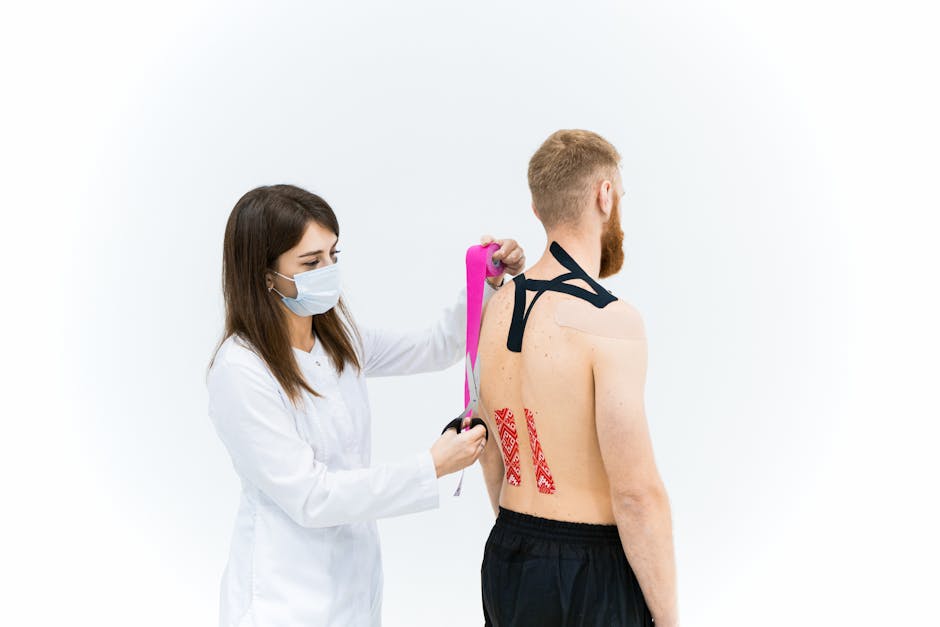
- Kinesiology tape can assist here by supporting muscles and joints during load-in without restricting movement.
- Incorporating dynamic movement during breaks primes muscles and tendons to stay flexible and resilient.
Instrument-Specific Repetitive Strain
Musicians often suffer repetitive strain injuries. Guitar players, drummers, keyboardists—all have unique movements that, if performed endlessly without breaks, invite tendonitis, carpal tunnel, or muscle strains. Elevating circulation during stops reduces inflammation and speeds recovery.
Rolling out sore spots with a lacrosse ball in downtime loosens tight muscles that might otherwise limit your performance and make you more prone to injuries.
Van Travel Stiffness and Circulation
Here's what kills me: if you spend hours cramped in a van, your legs and lower back can become particularly stiff. Poor circulation in the legs from prolonged sitting is a risk factor for deep vein thrombosis (DVT) and ongoing Hop over to this website discomfort.
One simple guideline: aim to walk five minutes at each gas stop. This doesn’t mean a rushed power walk—think leisurely pacing, moving the joints through full range.
Stop Duration Recommended Walking Time Benefits 15 minutes or more 5-7 minutes Boost circulation, reduce van stiffness, prep for load-in Under 15 minutes 3-5 minutes Prevent circulation stagnation, limber tough joints Short pit stops (fuel or snacks) 2-3 minutes brisk walk or leg exercises Keeps blood flowing, reduces leg swellingLeg Circulation During Long Drives
If you’re prone to swelling or stiffness, simple leg exercises during stops can amplify circulation:
- Heel raises—lifting your heels off the ground and down
- Knee circles for knee joint mobility
- Calf stretches against a wall
Walking five minutes during a gas stop gets your heart rate up just enough to drive that circulation improvement without overly taxing your already tired body.
Managing Sleep Debt and Adrenaline Timing
Tour life isn’t just physical; it’s a constant juggling of sleep debt and adrenaline swings. You might push through a load-in on adrenaline, but the catch-up comes later in the form of exhaustion and sometimes immune suppression.
Interestingly, gentle movement during breaks—like walking—helps modulate adrenaline by activating the parasympathetic nervous system, effectively calming you down for better rest later.
Also, many touring pros turn to natural remedies for recovery support. Joy Organics offers premium CBD products, which some have found helpful for managing stress, supporting sleep, and reducing inflammation after long days.
Building a Sustainable Tour Movement Habit
Consistency is key. Here’s a checklist to help cultivate better circulation and reduce injury risk on the road:
- Every gas stop: Walk for at least 5 minutes.
- Stretch regularly: Use the lacrosse ball on tight muscle groups and apply kinesiology tape proactively to support strained areas.
- Hydrate: Drink water regularly to support circulation and avoid the common mistake of skipping fluids then blaming "getting sick on tour."
- Manage load-ins: Use proper lifting technique to avoid load-in injuries—don’t fall for macho advice like "push through it."
- Monitor posture: Sitting upright in the van helps reduce stiffness.
- Sleep hygiene: Align your movement and rest cycles to support recovery from adrenaline-induced wakefulness.
In Conclusion
Walking five minutes at gas stops isn’t just a good idea—it’s a physical necessity for anyone logging serious road miles. It promotes healthy leg circulation, reduces stiffness, and primes you for both load-ins and performances. Pair that with tools like kinesiology tape and a lacrosse ball, and sprinkle in wellness support from companies such as Joy Organics, and you’re giving your body a fighting chance on the grueling tour grind.
Next time you pull up to a gas station or quick pit stop, remember: hop out, walk five minutes, stretch a little, and keep your body happy. Tour smarter—not just harder.