Does Light Really Degrade CBD Tincture, or Is That Just Marketing?
If you’ve browsed the CBD aisle recently—or even just peeped a few top online marketplaces—you’ve likely encountered the oft-repeated warning: “Store in a dark place” or “Protect your tincture from light.” But how much of that is grounded science, and how much is cleverly designed marketing? Today I’m diving into the facts to help you decide whether light degrades CBD tincture or if this is mostly hype.
Along the way, I’ll naturally reference some trusted brands like Joy Organics, dropper & bottle design, and even hold the USDA’s National Organic Program standards up to the light—pun intended—to parse fact from fiction.
Understanding the Basics: What Is CBD Tincture?
Before we get to light and degradation, it’s worth starting with the basics. A CBD tincture is essentially cannabis extract dissolved in a carrier liquid, typically a mix of fats, oils, or alcohol, designed for easy sublingual (under-the-tongue) absorption or adding to food. The quality of that carrier and the bottle it’s housed in play major roles in preserving potency.
What Makes Up Your CBD Tincture?
- Active compounds: Cannabinoids like CBD, terpenes, flavonoids
- Carrier medium: Often organic MCT oil, hemp seed oil, or ethanol-based solutions
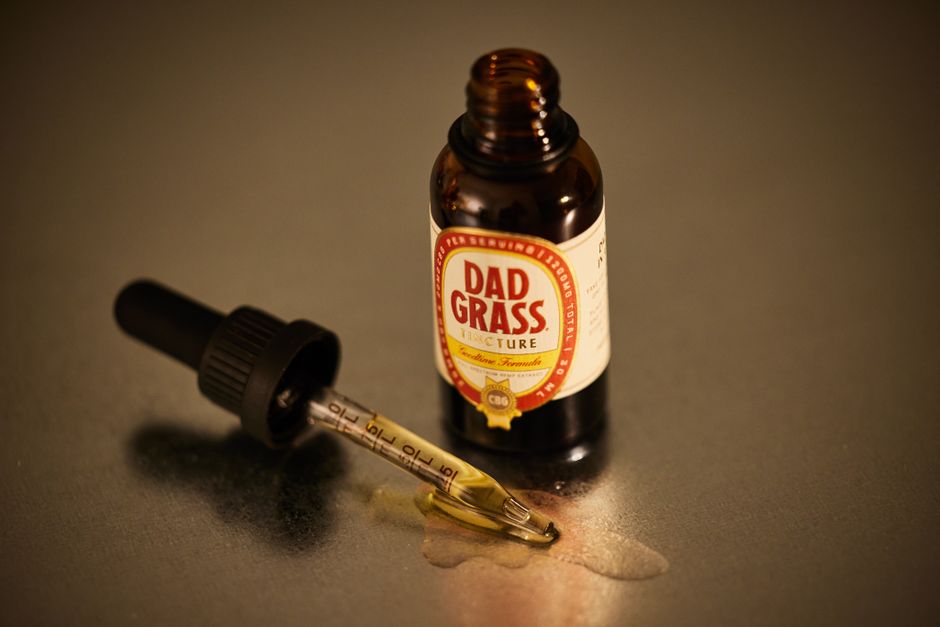
- Packaging: Usually in amber glass bottles with dropper caps for precise dosing
All these components factor into stability and how the tincture reacts to environmental factors like heat, oxygen, and—yes—light.
Science-Backed Factors Affecting CBD Stability
Does Light Really Degrade CBD Tincture?
Ever notice how let’s unpack this central question: light degrades cbd tincture. The answer is yes—it can, but it depends on exposure intensity and duration. Cannabinoids and terpenes are organic molecules that can undergo photodegradation when exposed to UV light or intense visible light for prolonged periods.
- Photodegradation process: UV rays can break molecular bonds, altering cannabinoids’ chemical structure, potentially reducing potency or changing aroma and flavor profiles.
- Practical exposure: Most CBD tinctures aren't stored under direct sunlight for hours daily, so degradation is gradual and often negligible over typical use times if stored properly.
Why Amber Glass CBD Bottle Is More Than Marketing
Have you ever noticed CBD tinctures almost always come in amber glass bottles? Not a fluke. Last month, I was working with a client who wished they had known this beforehand.. Amber glass has a natural ability to block UV and some blue visible light CBD batch lab report wavelengths that cause photodegradation.
When you choose a tincture packaged in an amber glass CBD bottle, you’re opting for protective packaging that aligns with USDA National Organic Program (NOP) standards for organic botanicals. Joy Organics, for instance, uses such packaging because they adhere to strict guidelines aimed at preserving product integrity from farm to shelf.
Heat: The Bigger Enemy of Cannabinoids
While light can degrade CBD over time, heat is a more immediate and forceful degrader. High temperatures can break down cannabinoids and aroma compounds quickly, reducing potency and flavor quality.
That’s why when cooking with CBD tinctures, it’s a cardinal sin to “dump a full dropper into a boiling pot.” Far better is to add CBD tincture off heat at the very end or into dishes that retain fat, helping cannabinoids disperse without destructive heat exposure.
How to Store Your CBD Tincture for Maximum Potency
In short, storing your tincture correctly protects your investment—both potency- and money-wise.
Follow These Expert Tips:
- Keep CBD tincture out of direct light: Store your tincture in a cupboard or drawer away from bright windows and bulbs. This dramatically slows light-induced degradation.
- Use amber or other colored glass bottles: Avoid clear glass or plastic bottles that don’t filter UV light—opt for brands like Joy Organics who use proper packaging.
- Avoid heat: Keep tinctures at room temperature or cooler; don’t store near stoves, ovens, or other heat sources.
- Seal tightly: Oxygen can also accelerate breakdown, so make sure your dropper with fill line is always firmly capped.
- Fat is your friend when dosing: Because cannabinoids are fat-loving molecules, incorporate tincture into fat-based carriers or foods to enhance absorption and effectiveness.
Why Not Just Add CBD to Water-Based Drinks?
Water and cannabinoids don’t mix well. Your tincture will separate quickly, leading to uneven dosing and reduced bioavailability unless you add a fat first or choose a formulation designed for water solubility. If you want to add tincture to a smoothie or coffee, consider blending it with cream, coconut oil, or nut butters first.
Joy Organics and USDA Organic Standards: Transparency and Quality
Joy Organics stands out in the CBD market due to transparency and adherence to high standards. Their products comply with the USDA National Organic Program, which includes requirements for packaging, potency retention, and ingredient sourcing.
Joy Organics also includes clear dosing information with droppers featuring fill lines. This clarity addresses one of my pet peeves: “vague dosing advice like ‘just add a dropper.’” Their dropper design helps you precisely measure doses without guessing, minimizing waste or overuse.
Real Data Matters: Leveraging Google Analytics for Consumer Education
Interestingly, consumer behavior tracked via tools like Google Analytics shows patterns around search keywords like ‘light degrades CBD tincture’ peak seasonally. This signals rising consumer concern, which good brands address proactively by educating buyers on storage best practices in their blog posts, packaging inserts, and FAQ sections.
Summary Table: What Really Affects Your CBD Tincture’s Potency
Factor Effect on CBD Tincture Best Practice Notes Light Exposure Slow photodegradation, aroma/freshness loss Store in cupboard in amber glass bottles UV/blue light most problematic Heat Exposure Rapid cannabinoid breakdown Add tincture off heat, avoid boiling temps Main factor in potency loss during cooking Oxygen Exposure Oxidative degradation over time Seal dropper tightly after each use Limits shelf-life Carrier Medium Fat carriers protect & improve bioavailability Use MCT oil, hemp seed oil; blend with fats in food Enhances dispersion; avoid water-only drinks without fatMy Final Take and Advice
Does light really degrade CBD tincture? Absolutely, but within practical usage timelines and proper packaging like amber glass bottles, the effect is slow and manageable. Heat, on the other hand, is far more destructive—so always add your tincture off heat and consider fat-based carriers to aid dispersion.. That said, there are exceptions
Don’t fall for vague advice calling oily separation a “bad product” either—that’s simply natural chemistry at work. And please, for the love of good dosing, invest in a tincture with a clear dropper fill line.
When in doubt, store your CBD in a cupboard away from light and heat, seal it tightly, and treat it like the delicate botanical elixir it is. If you follow those guidelines, you’ll preserve freshness, potency, and get the most out of your CBD tincture.
For brands pioneering transparency and quality, Joy Organics sets a strong example by following USDA organic protocols and clear consumer communication. That kind of respect for product science and customer education should be the industry standard.